
 Image 1 of 2
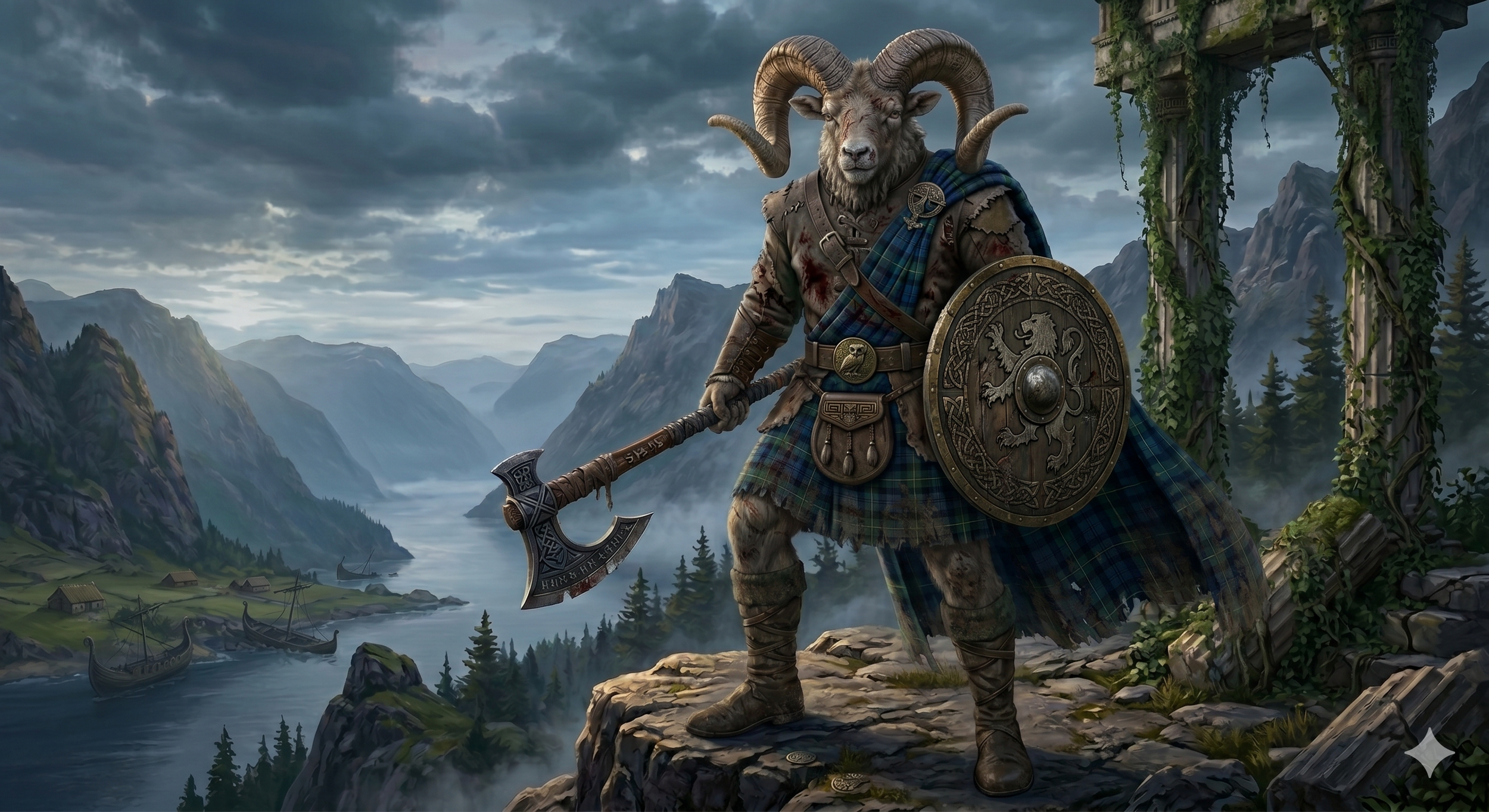 Image 2 of 2
The Highlands don’t forgive, and in 1297, neither did the crown. The air in the glens didn't just smell of rain; it smelled of the iron-toed boots of Edward Longshanks’ taxmen. They called it the Maltolt—the "Evil Toll." It wasn't a tax; it was a state-sponsored stripping of the land. The bureaucrats wanted every ounce of wool to fund their slaughter, leaving the people to freeze in the mud.
But they didn't account for Gideon.
Gideon was a ram carved from granite and spite. His hide was a roadmap of scars from wolves and winter, and his eyes held the cold clarity of a man who knew the "pigs" were coming long before their horses crested the ridge. He was the sentinel of the Hidden Flock, the one who understood that to keep your warmth, you had to be willing to bleed for it.
When the jingle of royal spurs echoed in the valley, Gideon didn't scatter. He led. He pushed the flock into the throat of the mountains, through razor-sharp passes and mist so thick it swallowed sound. While the King’s auditors stood shivering in empty barns, scratching their useless quills across damp parchment, Gideon was standing guard on a ledge of black basalt, miles above the reach of the law.
They were guarding the Sacred Fleece—wool that had never been weighed, never been taxed, and never been touched by the filth of the bureaucracy.
In the dark of those high caves, the resistance took a color. It was the deep, bruising Indigo of the woad—a dye that didn't just color the wool, but branded the soul of the movement. To wear the blue was to wear a target. It was a visual riot. Gideon’s growers stained their hands and their wool with that ink, a permanent mark of non-compliance that no royal decree could wash away.
As Wallace was turning the waters of the Forth red at Stirling Bridge, Gideon was holding the line in the high country. He knew that steel wins battles, but wool wins wars. He ensured that when the fighters returned, broken and cold, they had "Rebellious Warmth" to wrap their wounds in—a craft born of survival and spite
"Let the King eat his gold and sleep in his stone halls. We have the high ground, we have the wool, and we have a cold, hard 'no' for every man with a ledger."
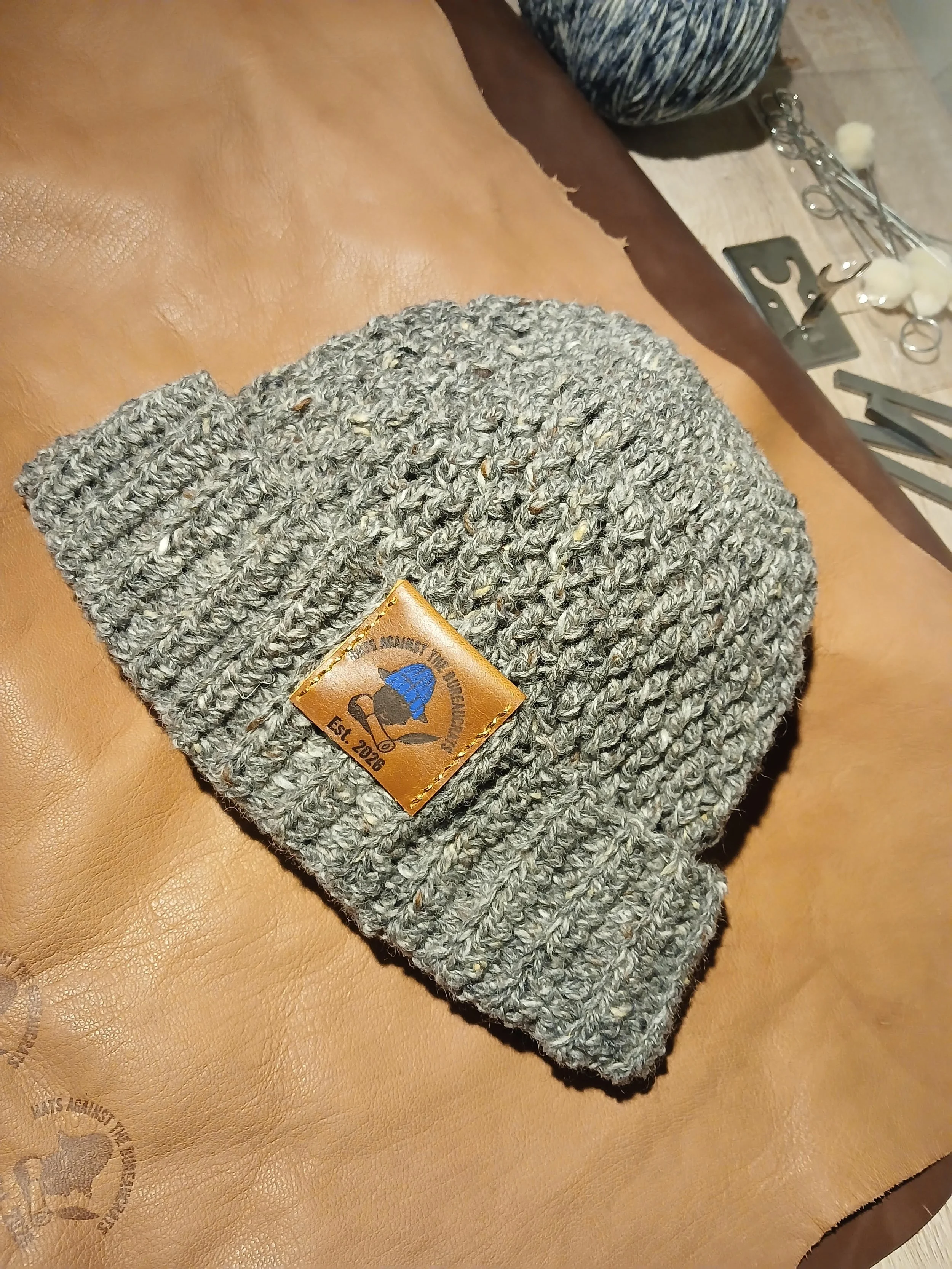
Gideon didn't just survive 1297; he spat in its face. He taught us that the only way to deal with a bureaucrat is to out-climb them, out-last them, and out-work them. Today, the Barnaby Seal isn't just a logo; it's a scar. It’s a reminder that we come from a lineage of smugglers and survivors who chose the mountain over the Maltolt.
Handcrafted in Scotland. Dyed in Defiance. Worn by the Unchecked.
The Highlands don’t forgive, and in 1297, neither did the crown. The air in the glens didn't just smell of rain; it smelled of the iron-toed boots of Edward Longshanks’ taxmen. They called it the Maltolt—the "Evil Toll." It wasn't a tax; it was a state-sponsored stripping of the land. The bureaucrats wanted every ounce of wool to fund their slaughter, leaving the people to freeze in the mud.
But they didn't account for Gideon.
Gideon was a ram carved from granite and spite. His hide was a roadmap of scars from wolves and winter, and his eyes held the cold clarity of a man who knew the "pigs" were coming long before their horses crested the ridge. He was the sentinel of the Hidden Flock, the one who understood that to keep your warmth, you had to be willing to bleed for it.
When the jingle of royal spurs echoed in the valley, Gideon didn't scatter. He led. He pushed the flock into the throat of the mountains, through razor-sharp passes and mist so thick it swallowed sound. While the King’s auditors stood shivering in empty barns, scratching their useless quills across damp parchment, Gideon was standing guard on a ledge of black basalt, miles above the reach of the law.
They were guarding the Sacred Fleece—wool that had never been weighed, never been taxed, and never been touched by the filth of the bureaucracy.
In the dark of those high caves, the resistance took a color. It was the deep, bruising Indigo of the woad—a dye that didn't just color the wool, but branded the soul of the movement. To wear the blue was to wear a target. It was a visual riot. Gideon’s growers stained their hands and their wool with that ink, a permanent mark of non-compliance that no royal decree could wash away.
As Wallace was turning the waters of the Forth red at Stirling Bridge, Gideon was holding the line in the high country. He knew that steel wins battles, but wool wins wars. He ensured that when the fighters returned, broken and cold, they had "Rebellious Warmth" to wrap their wounds in—a craft born of survival and spite
"Let the King eat his gold and sleep in his stone halls. We have the high ground, we have the wool, and we have a cold, hard 'no' for every man with a ledger."
Gideon didn't just survive 1297; he spat in its face. He taught us that the only way to deal with a bureaucrat is to out-climb them, out-last them, and out-work them. Today, the Barnaby Seal isn't just a logo; it's a scar. It’s a reminder that we come from a lineage of smugglers and survivors who chose the mountain over the Maltolt.
Handcrafted in Scotland. Dyed in Defiance. Worn by the Unchecked.