
 Image 1 of 1
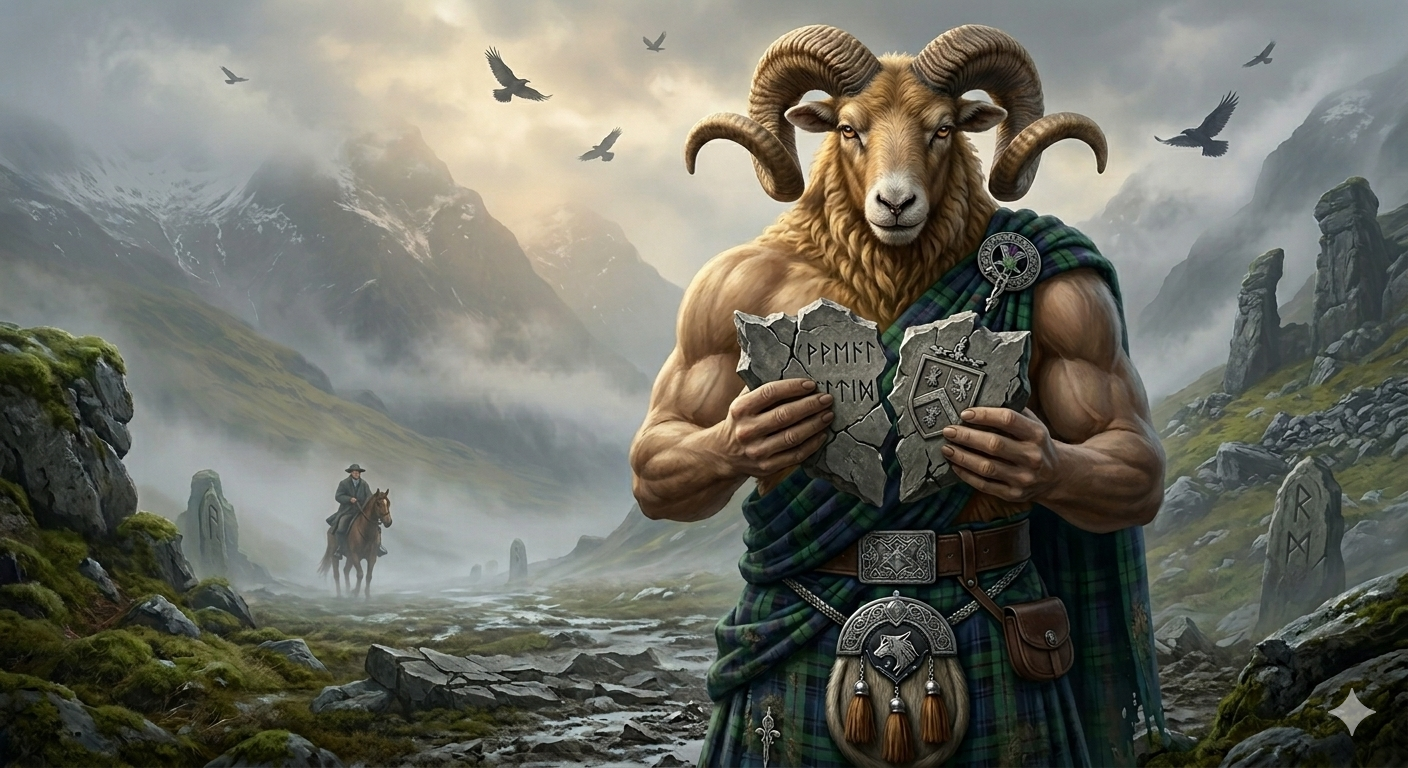
In December 1837, the tension snapped. Hundreds of farmers, armed only with pitchforks and old muskets, gathered at Montgomery’s Tavern on Yonge Street to march on Toronto. Leading the vanguard was McKenzie Woolace.
The Family Compact sent their hired bayonets—the British regulars and militia—to crush the "rabble." As the government’s cannons began to roar, the farmers wavered. The smell of sulfur and the sight of disciplined steel were enough to break any man’s spirit.
The Charge of the Firebrand McKenzie didn't wait for an order. He grabbed a massive, heavy timber beam—a support from a dismantled Tory tollgate—and slung it across his shoulders like a giant’s club.
"You call us rebels!" McKenzie’s voice boomed over the crackle of musketry. "But the only rebellion is the one you’ve led against the dignity of the people! You’ve fenced the forests and taxed the very air! You treat the earth like a ledger, but a ledger can be burned!"
He lowered his head and charged. He wasn't a beast of burden anymore; he was a projectile. He smashed through the front line of the militia, the "white tide" of the bureaucrats' paperwork scattering into the wind as he uprooted their formation. He reached the Governor’s line, not to take a life, but to uproot the official seal of the province from the frozen mud, hoisting it high before hurling it into the deep, dark snow.
"A quill in a bureaucrat's hand is a more dangerous weapon than a bayonet, but it cannot stand against a ram who has felt the cold of a stolen winter. We are not your livestock, and this land is not your ledger!"
In December 1837, the tension snapped. Hundreds of farmers, armed only with pitchforks and old muskets, gathered at Montgomery’s Tavern on Yonge Street to march on Toronto. Leading the vanguard was McKenzie Woolace.
The Family Compact sent their hired bayonets—the British regulars and militia—to crush the "rabble." As the government’s cannons began to roar, the farmers wavered. The smell of sulfur and the sight of disciplined steel were enough to break any man’s spirit.
The Charge of the Firebrand McKenzie didn't wait for an order. He grabbed a massive, heavy timber beam—a support from a dismantled Tory tollgate—and slung it across his shoulders like a giant’s club.
"You call us rebels!" McKenzie’s voice boomed over the crackle of musketry. "But the only rebellion is the one you’ve led against the dignity of the people! You’ve fenced the forests and taxed the very air! You treat the earth like a ledger, but a ledger can be burned!"
He lowered his head and charged. He wasn't a beast of burden anymore; he was a projectile. He smashed through the front line of the militia, the "white tide" of the bureaucrats' paperwork scattering into the wind as he uprooted their formation. He reached the Governor’s line, not to take a life, but to uproot the official seal of the province from the frozen mud, hoisting it high before hurling it into the deep, dark snow.
"A quill in a bureaucrat's hand is a more dangerous weapon than a bayonet, but it cannot stand against a ram who has felt the cold of a stolen winter. We are not your livestock, and this land is not your ledger!"